What Are Acne Scars?
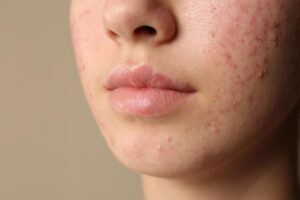
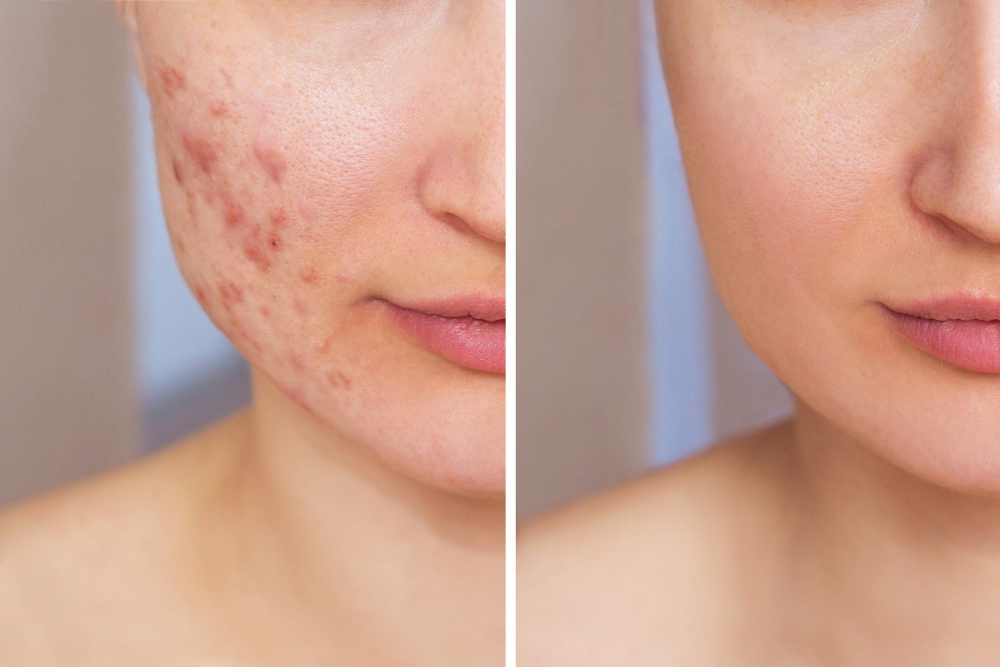
Acne scar removal is a common concern for many people. After acne heals, it can leave behind marks on the skin. These marks are called acne scars. They can look like pits, raised bumps, or dark spots. While acne scars are not harmful, they can affect how you feel about your skin. For many, clear skin confidence is important. Understanding acne scars is the first step to treating them.
Common Types of Acne Scars
Not all acne scars look the same. In fact, there are several types. Knowing the type of scar helps you choose the best treatment for acne scars. Here are the most common types:
Causes of Acne Scars
Acne scars form when the skin tries to heal after a breakout. Sometimes, the skin makes too much or too little collagen. Collagen is a protein that helps skin stay smooth. If there is too little collagen, pits or holes can form. If there is too much, raised scars may appear. Picking or squeezing pimples can also make scars worse. Therefore, it is best to avoid touching acne spots.
Diagnosis and Assessment
Before starting acne scar removal, a dermatologist will examine your skin. They will look at the type and depth of your scars. Sometimes, they may use a special light or magnifier. This helps them decide which treatment will work best. In addition, they may ask about your skin care routine and past treatments. A proper assessment is key for the best results.
Effective Acne Scar Removal Treatments
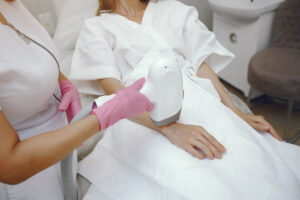
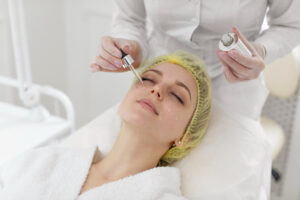
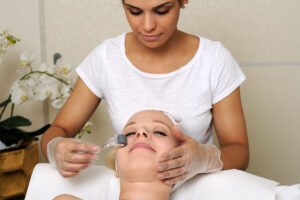
There are many ways to get rid of acne scars. Some treatments work better for certain types of scars. Here are some of the best treatments for acne scars, based on research from the American Academy of Dermatology and peer-reviewed journals:
Each treatment has its pros and cons. For example, some may need several sessions. Others may cause redness or swelling for a few days. Always talk to a dermatologist before starting any treatment.
At-Home Care and Lifestyle Tips
While professional treatments are effective, at-home care also helps. Here are some tips to support clear skin confidence:
In addition, drinking plenty of water helps your skin heal. Simple habits can make a big difference over time.
Prevention Strategies
Preventing acne scars is easier than treating them. Here are some ways to lower your risk:
Because prevention is key, start caring for your skin as soon as acne appears.
Emotional Impact and Confidence-Boosting Advice
Acne scars can affect how you feel about yourself. Sometimes, they may lower your self-esteem. However, remember that you are not alone. Many people have acne scars. With the right care, you can improve your skin and boost your confidence. Try to focus on your strengths and practice self-care. If you feel sad or anxious about your skin, talking to a counselor can help. Above all, clear skin confidence comes from within.
Conclusion
Acne scar removal is possible with the right approach. Many treatments can help you get rid of acne scars and regain your confidence. For the best results, consult a dermatologist Vaishnavi Sudhakar at Ojasvi Skin and Hair Clinic for personalized acne scar removal options and regain your confidence.