
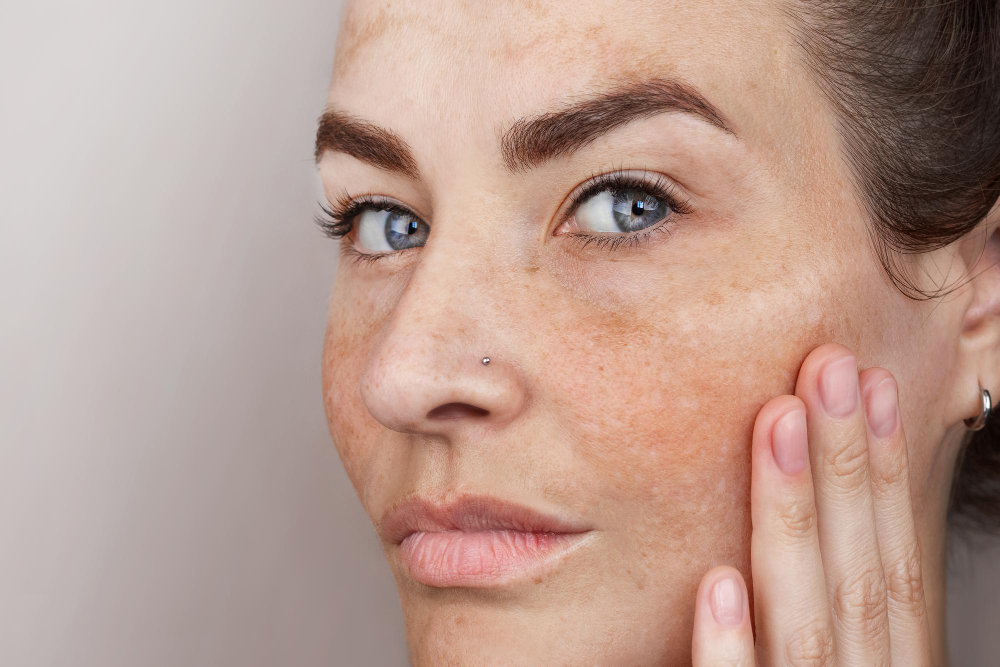
What Is Uneven Skin Pigmentation?
Uneven skin pigmentation means some areas of your skin look lighter or darker than others. Often, these patches can appear on the face, hands, or other body parts. For many people, uneven skin pigmentation can affect how they feel about their appearance. Because of this, many seek safe treatments for uneven skin tone. While some changes are harmless, others may need medical attention. Understanding what causes these changes can help you find the right care.
Common Causes of Uneven Skin Pigmentation
There are several reasons why skin color may change. Sometimes, the cause is simple, but other times, it may signal a health issue. For example, sun exposure is a leading cause of skin discoloration. However, other factors can also play a role. Here are some common causes of uneven skin pigmentation:
Because many things can cause uneven skin pigmentation, it is important to know what may be affecting your skin. According to the World Health Organization (WHO), sun exposure and inflammation are two of the most common factors.
Recognizing Symptoms and When to Seek Help
Uneven skin pigmentation often appears as patches that are lighter or darker than the rest of your skin. Sometimes, these spots are small, but they can also cover larger areas. For many, these changes are only a cosmetic concern. However, some signs may need a doctor’s attention. For example, if you notice:
In these cases, you should see a healthcare provider. Early care can help rule out serious problems, such as skin cancer. Even though most uneven skin pigmentation is harmless, it is always best to be safe.
Safe Diagnosis Methods
Doctors use several safe methods to check uneven skin pigmentation. First, they will look at your skin and ask about your health history. Next, they may use a special light called a Wood’s lamp to see changes more clearly. Sometimes, they might take a small skin sample for testing. However, most cases do not need this step. According to the Centers for Disease Control and Prevention (CDC), these tests are safe and help doctors find the cause of skin discoloration. Because of this, you can feel confident about getting checked.
Evidence-Based Treatment Options
Many people want to know how to improve skin pigmentation naturally or with safe treatments. Several options are supported by research. For example, doctors may suggest:
However, not all treatments are right for everyone. Because of this, you should talk to a healthcare provider before starting any new product. The American Academy of Dermatology states that safe treatments for uneven skin tone should be chosen based on your skin type and health history.
Lifestyle Tips for Managing Uneven Skin Pigmentation
Besides medical treatments, daily habits can help manage uneven skin pigmentation. For instance, you can:
Because these steps are simple, they can fit into most routines. In addition, some people find that using natural products, like aloe vera or green tea, helps soothe their skin. However, always test new products on a small area first to avoid reactions.
Prevention: How to Reduce the Risk of Uneven Skin Tone
While not all cases can be prevented, you can lower your risk of uneven skin pigmentation. For example, you should:
Because prevention is easier than treatment, these habits can help keep your skin healthy. According to experts, protecting your skin from the sun is the best way to prevent many types of discoloration.
Conclusion
If you are concerned about uneven skin pigmentation, Vaishnavi Sudhakar can help. Book a skin consultation today to explore safe and effective options for your unique needs.