
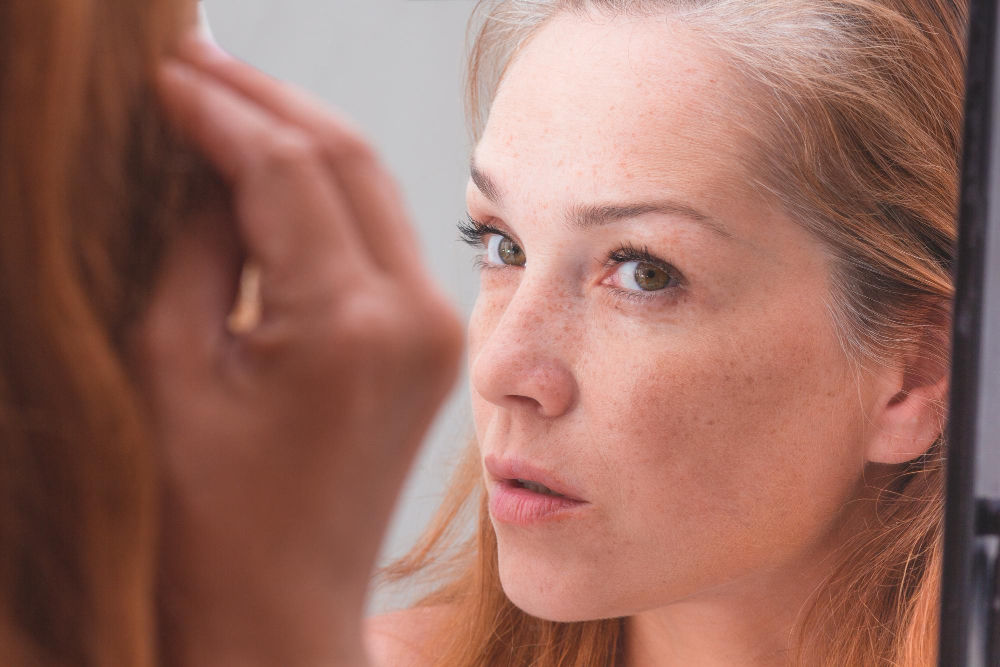
What is Melasma?
Melasma is a common skin condition. It causes dark, patchy spots on the face. Often, these spots appear on the cheeks, forehead, nose, or upper lip. Many people notice melasma during sunny months. Because melasma can be stubborn, it may last for months or even years. Although it is not harmful, many people feel self-conscious about it. According to the American Academy of Dermatology, melasma affects millions worldwide. Women are more likely to get melasma than men. However, anyone can develop this type of facial pigmentation.
Common Symptoms of Melasma
Melasma usually shows up as brown or gray-brown patches. These patches often appear on the face. Sometimes, they can also show up on the neck or arms. But, the face is the most common area. You might notice:
Because melasma does not hurt, some people may not notice it right away. Still, the color change can be very noticeable.
Causes and Risk Factors
There are several facial pigmentation causes. Melasma often develops due to a mix of factors. For example, sunlight is a major trigger. Ultraviolet (UV) rays can make melasma worse. In addition, hormones play a big role. That is why pregnant women often get melasma, sometimes called the “mask of pregnancy.” Other risk factors include:
Because these factors can overlap, it is sometimes hard to find one clear cause. However, knowing your risk can help you prevent melasma.
Diagnosis: How Melasma is Identified
Doctors usually diagnose melasma by looking at your skin. They may use a special light called a Wood’s lamp. This helps them see how deep the pigment goes. Sometimes, a skin biopsy is needed. However, this is rare. Most of the time, a dermatologist for melasma can make the diagnosis during a simple office visit. If you have new or changing spots, it is important to get checked. This helps rule out other skin conditions.
Treatment Options for Melasma
Melasma treatment can take time. While some spots fade on their own, others may need help. Treatment options include:
Because melasma can return, ongoing care is important. According to the American Academy of Dermatology, sunscreen is a key part of every treatment plan. Always talk to your doctor before starting any new treatment.
Lifestyle Tips and Prevention
Although melasma can be stubborn, you can take steps to help prevent it. Here are some tips:
Because prevention is easier than treatment, these steps can make a big difference. For more tips on how to prevent melasma, ask your dermatologist.
When to See a Dermatologist
Sometimes, home care is not enough. If your facial pigmentation does not fade, or if it gets worse, see a dermatologist for melasma. You should also seek help if:
Because melasma can look like other skin problems, a doctor can help you find the right care. Early treatment often leads to better results.
In summary, melasma is a common but stubborn skin condition. While it can be hard to treat, many options are available. For the best advice, consult Dr. Vaishnavi Sudhakar at Ojasvi Skin and Hair Clinic for personalized care and support.