Introduction
Adult acne is a skin condition where pimples, blackheads, or bumps appear after your teenage years. Although many people think acne only affects teens, adults can get it too. In fact, adult acne is common and can be frustrating. Understanding adult acne is important because it helps you find the right treatment and prevent future breakouts. This blog explains why acne appears after your teens, how to spot it, and what you can do about it.
What Is Adult Acne?
Adult acne is acne that develops after age 18. It can show up on your face, neck, chest, or back. Sometimes, it starts in your twenties or thirties. For others, it may continue from their teen years. Either way, adult acne can affect your confidence and comfort. Unlike teenage acne, adult acne may last longer and be harder to treat. However, with the right care, you can manage it well.
Common Symptoms of Adult Acne
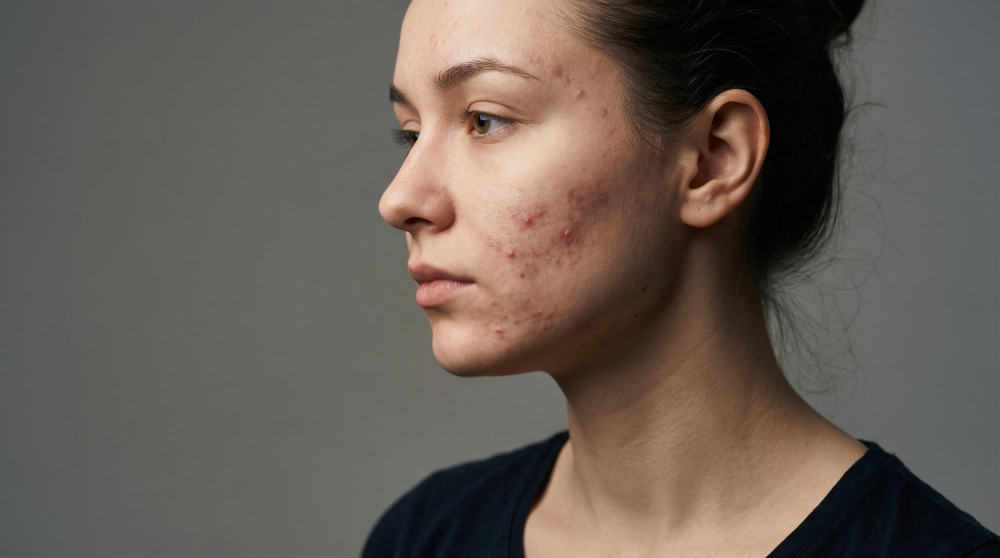
Adult acne can look different for each person. Still, there are some common signs to watch for. For example, you may notice:
Often, adult acne appears on the lower face, jawline, or neck. But it can also show up on your back or chest. If you notice these symptoms, you are not alone. Many adults deal with persistent acne after their teens.
Causes: Why Acne Appears After Teenage Years
There are several reasons why acne appears even after your teenage years. Some of the most common adult acne causes include:
Additionally, changes in your daily routine or environment can affect your skin. For example, wearing masks for long periods or living in a humid area may increase breakouts.
Diagnosis: How Adult Acne Is Identified
Doctors usually diagnose adult acne by looking at your skin. They may ask about your health, diet, and skin care habits. Sometimes, they check for other conditions that can look like acne. For example, rosacea or allergic reactions can cause bumps or redness. If your acne is severe or does not improve, your doctor may suggest blood tests. These tests can check for hormone problems or other health issues. Early diagnosis helps you get the right treatment and prevent scars.
Treatment Options for Adult Acne
There are many ways to treat adult acne. Your doctor may suggest one or more of these options:
For best results, follow your doctor’s advice and use products made for acne-prone skin. Treating acne in adults may take time, but most people see improvement with the right plan.
Lifestyle Tips and Prevention
While you cannot always prevent adult acne, some habits can help reduce breakouts. For example:
Additionally, avoid picking or squeezing pimples, as this can cause scars. Adult acne prevention is possible with these simple steps.
When to See a Dermatologist
If your acne is painful, does not improve with basic care, or leaves scars, it is time to see a dermatologist. Also, if you feel upset or embarrassed about your skin, a doctor can help. Dermatologists are skin experts who can create a treatment plan just for you. Early treatment can prevent lasting marks and boost your confidence.
In summary, adult acne is common and treatable. If you have concerns, consult a dermatologist Dr. Vaishnavi Sudhakar for personalized advice on managing adult acne.