Introduction
Ringworm infection is a common skin problem. Many people worry about its red, itchy rash. Although the name sounds scary, ringworm is not caused by a worm. Instead, it is a type of fungal infection. Because it spreads easily, knowing the signs and how to prevent ringworm is important. In this blog, you will learn about ringworm symptoms, causes, diagnosis, treatment, and prevention tips.
What is Ringworm Infection?
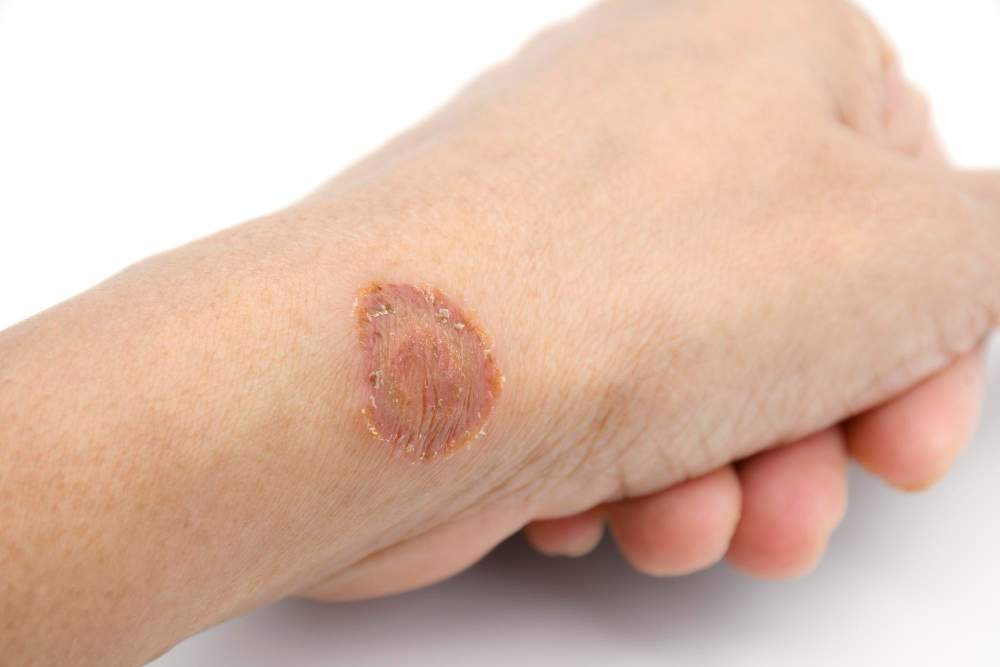
Ringworm infection is a skin disease caused by a fungus. The medical name for ringworm is “tinea.” It gets its name from the ring-shaped rash it often causes. However, the infection can appear on many parts of the body, such as the scalp, feet, groin, or nails. Anyone can get ringworm, but it is more common in children and people with weak immune systems.
Symptoms of Ringworm Infection
Ringworm symptoms can look different depending on where the infection is. Still, some signs are common. For example, you may notice:
Sometimes, the rash may not look like a ring. But if you notice any of these symptoms, it is wise to take action quickly.
Causes of Ringworm Infection
Fungi called dermatophytes cause ringworm infection. These tiny organisms live on the skin, hair, and nails. They grow best in warm, moist places. For this reason, people who sweat a lot or live in humid areas are at higher risk. Also, sharing personal items can increase your chances of getting ringworm.
How Ringworm Spreads
Ringworm infection spreads easily from person to person. In fact, you can get it in several ways:
Because the fungus likes warm, damp places, gyms and swimming pools are common spots for spreading ringworm.
Diagnosis of Ringworm Infection
Doctors can often diagnose ringworm infection by looking at the rash. However, sometimes they may scrape a small sample of skin. This sample is checked under a microscope or sent to a lab. This helps confirm the diagnosis. If the infection is on the scalp or nails, special tests may be needed.
Treatment Options for Ringworm
Most cases of ringworm infection can be treated at home. Over-the-counter antifungal creams, lotions, or powders usually work well. For example, products with clotrimazole or terbinafine are common choices. You should:
However, if the infection is severe, on the scalp, or does not improve, a doctor may prescribe stronger medicine. Sometimes, oral antifungal pills are needed. Always finish the full course of treatment, even if symptoms get better early.
Prevention Tips
Preventing ringworm infection is possible with good habits. Here are some tips to help you stay safe:
In humid places, take extra care to dry off after bathing or swimming. This can lower your risk of infection.
Lifestyle Guidance
Living with ringworm infection can be stressful. Yet, you can manage it well with a few simple steps. For instance, avoid scratching the rash to prevent spreading the fungus. Also, wash bedding and clothes in hot water. If you play sports, clean equipment after each use. Remember, keeping your skin dry and clean is key.
When to See a Doctor
Most mild cases of ringworm infection get better with home treatment. However, you should see a doctor if:
Early treatment can prevent the infection from spreading to others.
Conclusion
In summary, ringworm infection is a common but treatable skin problem. Knowing the symptoms, causes, and how it spreads helps you stay safe. With proper treatment and good hygiene, most people recover quickly. If you suspect a ringworm infection, consult Dr. Vaishnavi Sudhakar at Ojasvi Skin and Hair Clinic for personalized advice.